Introduction
Selling on Amazon has become one of the most popular ways to start an online business. With millions of active buyers worldwide, the platform offers incredible opportunities—but success requires careful planning. For new sellers, understanding how to register a seller account, select the right products, and price them effectively can make all the difference. This guide will walk you through these essential steps.
Step 1: Registering Your Amazon Seller Account
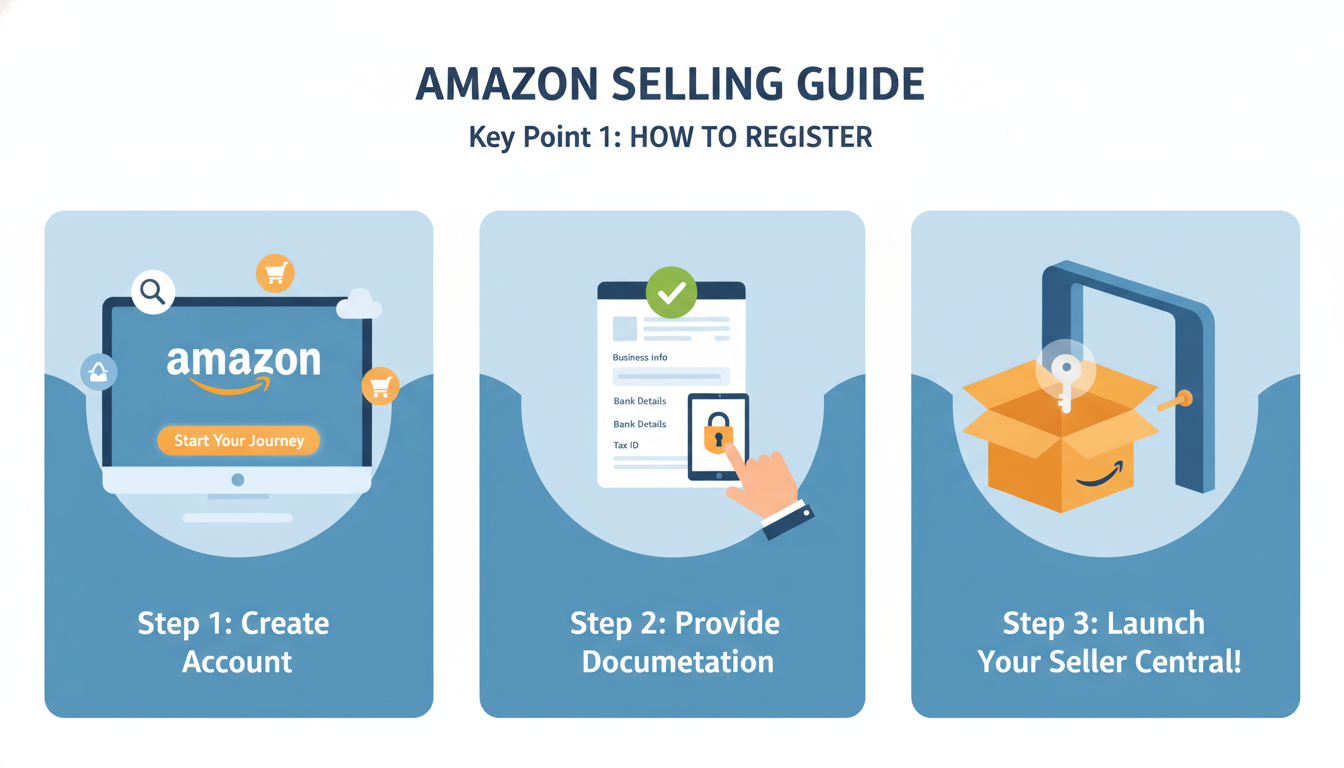
The first step to selling on Amazon is creating a seller account. Amazon offers two main types of accounts: Individual and Professional. The Individual account has no monthly subscription fee but charges $0.99 per item sold, while the Professional account costs $39.99 per month but comes with more advanced tools and bulk listing options.
To register, you need basic information, including a valid email, bank account, government-issued ID, and tax information. It's crucial to enter all details accurately, as Amazon verifies accounts to ensure trust and security on the platform. Once registered, you gain access to the Seller Central dashboard, where you can manage inventory, track sales, and analyze performance metrics.
For sellers who want a faster start, there are also options to buy Amazon accounts from us, which provides verified accounts ready to use, saving time on setup and verification.
Step 2: Choosing the Right Products
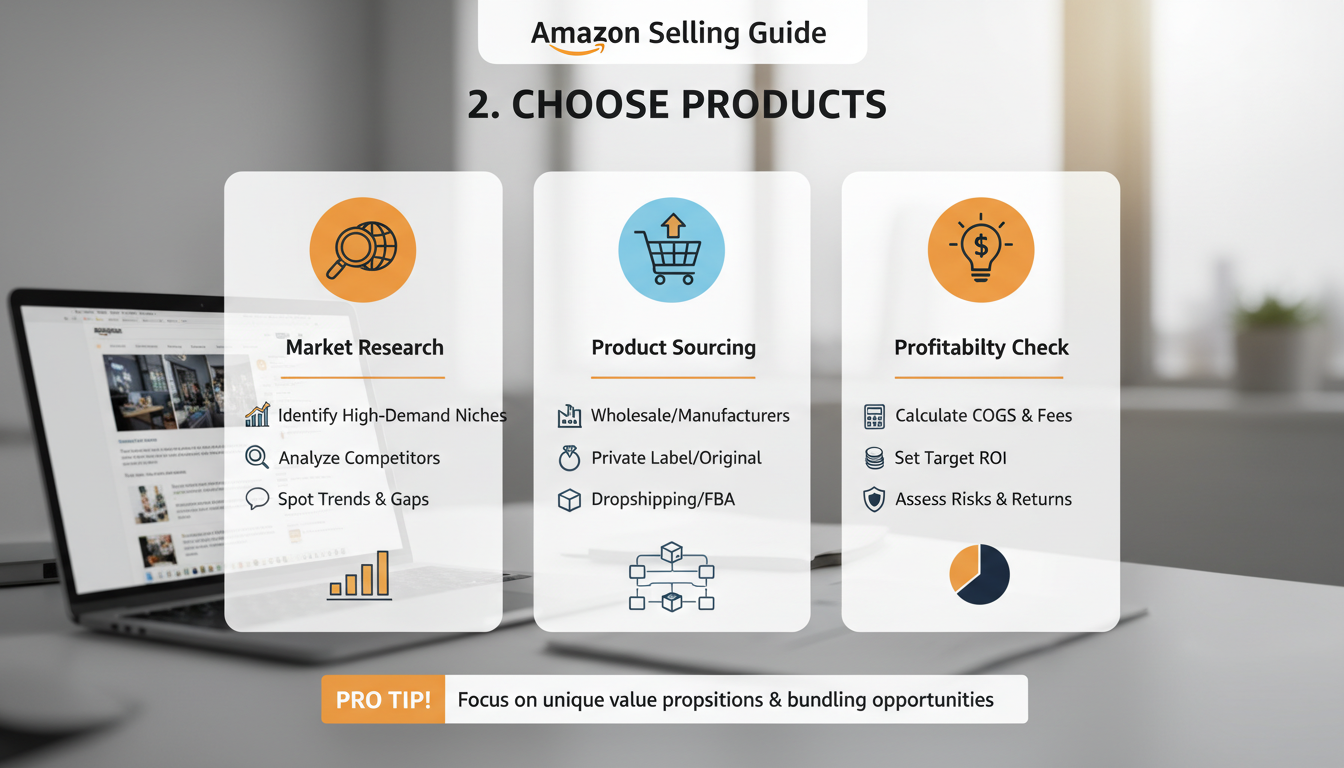
Selecting the right products is arguably the most important step for success. A profitable product balances demand, competition, and margins. Start by researching Amazon's Best Sellers and using tools like Jungle Scout or Helium 10 to analyze trends and sales volumes.
Key Points to Consider When Choosing Products
- Demand: Look for items with consistent sales history rather than seasonal spikes.
- Competition: Highly competitive products may require more marketing investment, while niche products can offer easier entry.
- Profit Margin: Factor in Amazon fees, shipping costs, and production expenses to ensure you earn enough on each sale.
- Size and Weight: Smaller, lightweight products are easier and cheaper to store and ship, especially if using Amazon FBA.
Additionally, consider your expertise and interests. Selling products you understand well can help you provide better customer service and marketing.